


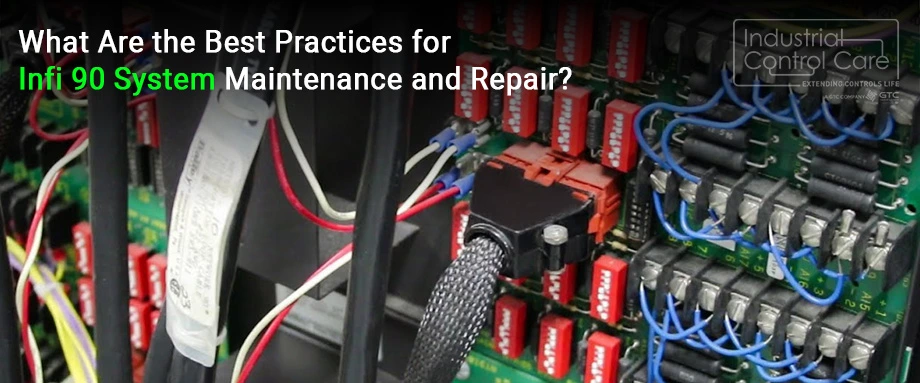
The Infi 90 control
system, widely used for process automation in power generation, oil and gas,
and manufacturing industries, requires proper maintenance to ensure smooth
operation and long-term reliability. Maintaining and repairing this legacy
Distributed Control System (DCS) involves a strategic approach to ensure
continued performance and minimize downtime.
Here are some best practices for Infi
90 system maintenance and repair:
Regular System Diagnostics
To ensure your Infi 90 system operates
at optimal efficiency, it is essential to schedule regular system diagnostics.
Using diagnostic tools to check system health helps identify potential issues
before they escalate. This includes checking for signal degradation, faulty
modules, and software inconsistencies. Running a health check should be part of
the routine maintenance plan.
Spare Parts Management
Some parts may be more challenging
since the Infi 90 requires a more complex work system. Keeping an updated
inventory of spare parts, such as I/O modules, processors, and communication
cards, is crucial for fast repair when issues arise. Maintaining relationships
with certified suppliers or third-party vendors can help ensure quick access to
these parts.
System Backup and Redundancy
It is essential to regularly back up
the system configuration, control logic, and databases in case of system
failure. Make it a practice to create backups after every significant
configuration change. Additionally, implementing redundant systems ensures that
the backup system takes over in case of a hardware or software failure,
minimizing downtime and ensuring smooth operation.
Scheduled Software Updates
Though the Infi 90 system may not
receive frequent software updates due to its legacy nature, it is critical to
stay updated with any available patches. These updates may address security
vulnerabilities or improve system performance. Always follow manufacturer
guidelines for applying updates and test them in a controlled environment
before implementation.
Proactive Cable and Connection Maintenance
Cabling plays a vital role in the
functioning of the Infi 90 system, especially for communication between field
devices and controllers. Regularly inspecting and maintaining cables and
connectors can prevent signal loss and minimize downtime caused by faulty
wiring. Clean connections and replace damaged cables as needed.
Documentation and Change Management
Maintaining accurate and up-to-date
documentation of system configurations, hardware replacements, and software
changes is essential for troubleshooting and future upgrades. Establish a
change management system to track modifications in control logic or hardware to
ensure everyone on the team is aware of changes, which will help prevent system
issues related to inconsistent configurations.
Operator Training and Knowledge Transfer
Due to its legacy status, the Infi 90
system may need to be familiar to newer employees. Training operators and
technicians on its functionality, maintenance procedures, and repair processes
are critical for efficient system management. Conduct regular training sessions
and encourage knowledge sharing between experienced personnel and newer team
members.
Remote Monitoring and Troubleshooting
Leverage remote monitoring tools to
track real-time data from the Infi 90 system. These tools can provide early warnings
of potential failures, allowing technicians to address issues before they cause
operational disruptions. Remote troubleshooting also enables faster response
times when on-site personnel cannot address the problem immediately.
Routine Preventive Maintenance
Create a preventive maintenance
schedule to address components prone to wear and tear, such as power supplies,
fans, and input/output modules. Regular inspections, cleaning, and testing of
these components can extend their lifespan and improve system reliability.
Include environmental checks to ensure the control system operates optimally
and is free from excessive dust or moisture.
Collaborate with Experts
Working with professionals with
experience in legacy systems like Infi 90 can provide deeper insights into
maintenance and repair techniques. Consider partnering with vendors or
consultants specializing in legacy systems to ensure you have the latest tools,
resources, and support for maintaining your system.
Why Choose
Industrial Control Care (ICC) for Infi 90 System Maintenance and Repair?
At Industrial Control Care (ICC), we provide comprehensive maintenance
and repair services for legacy control systems like the Infi 90. Our team of
experienced professionals brings deep expertise in managing complex industrial
automation systems, ensuring that your operations run smoothly and efficiently.
Here's why you should choose ICC for
your Infi 90 maintenance and repair needs:
·
Expertise in Legacy Systems: With years of experience working on Infi 90
systems, we understand the unique challenges and intricacies involved. Our team
is equipped to handle everything from diagnostics and troubleshooting to
component replacement and system upgrades.
·
Access to Spare Parts: We maintain a vast inventory of hard-to-find
Infi 90 spare parts and have established strong partnerships with suppliers,
ensuring rapid availability and minimizing downtime for your system.
·
Tailored Maintenance Plans: Our customized maintenance plans are designed
to fit your operational needs. They focus on preventive maintenance and system
optimization to extend the lifespan of your Infi 90 system.
·
Responsive Support: We offer round-the-clock support to address
urgent issues or breakdowns. Our team is available for remote troubleshooting
and on-site repairs to minimize disruptions to your operations.
By choosing ICC, you benefit from a
trusted partner committed to running your Infi 90 system efficiently while
delivering expert service and support.
Wrapping Up:
Maintaining and repairing the Infi 90 system involves a combination of preventive strategies, regular diagnostics, and proactive spare parts management. By implementing these best practices, you can ensure that your control system continues to perform reliably while minimizing unplanned downtime. Stay diligent with routine checks, backups, and training to extend the lifespan of this robust yet aging technology.