


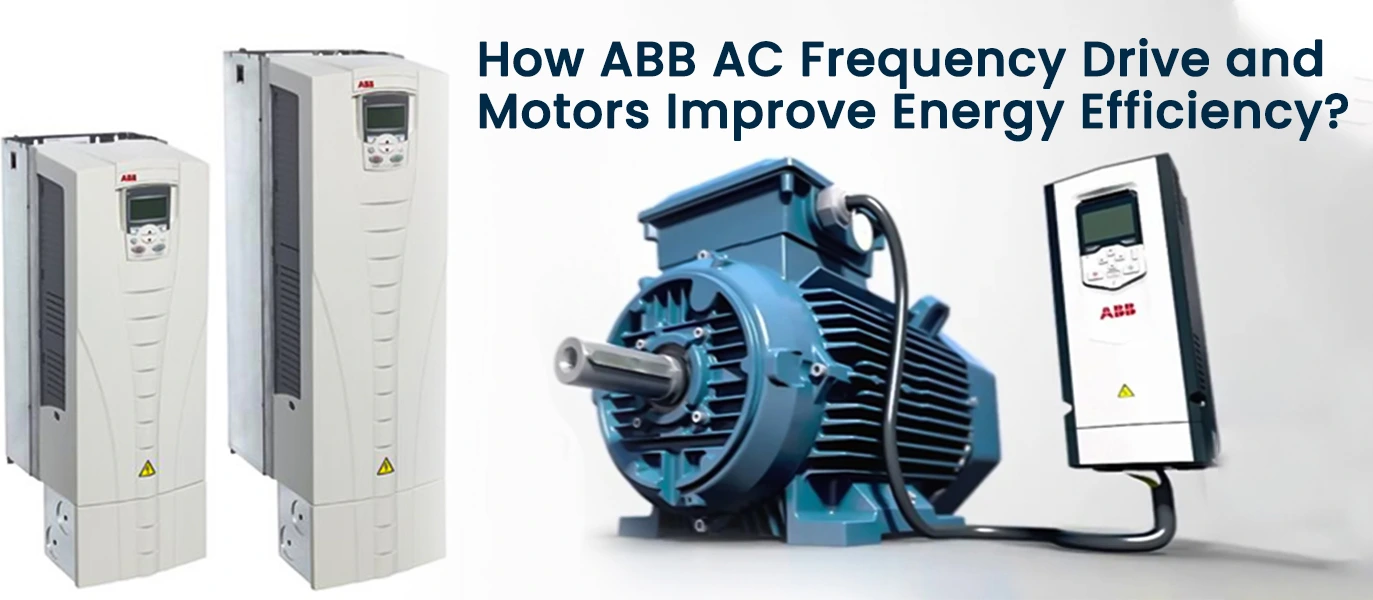
In today's world, energy efficiency is
a top priority across various industries. As organizations strive to reduce
their environmental footprint and operating costs, they are increasingly
turning to advanced technologies to optimize energy usage. ABB AC frequency
drives and motors are pivotal in this endeavor, enabling businesses to save
energy while maintaining high-performance standards.
Let us take a look.
Understanding
ABB AC Frequency Drives
Before delving into how ABB AC
frequency drives and motors improve energy efficiency, let's first understand
what they are. ABB, a renowned global technology company, produces a wide range
of AC frequency drives (also known as variable frequency drives or VFDs) that
control the speed and torque of electric motors. These drives regulate the
electrical supply to the motor, allowing it to operate at various speeds and
adapt to the specific requirements of an application.
Energy-Efficient
Operation
One of the primary benefits of ABB AC
frequency drives is their ability to adjust motor speed according to load
demand. In traditional systems, motors often run at constant speeds regardless
of whether they are operating at total capacity or not. This results in a
significant waste of energy, as the motor draws a consistent power level. In
contrast, ABB VFDs enable motors to operate at optimal efficiency levels by
providing only the necessary power to meet the application's requirements.
ABB AC frequency drives effectively
reduce energy consumption by ensuring motors run at the right speed and only
consume the energy they need. This translates to immediate energy savings,
which is environmentally responsible and financially advantageous for
businesses. ABB's drives are known to reduce energy consumption by up to 60%,
making them an attractive choice for companies aiming to enhance energy
efficiency.
Reduced
Mechanical Stress
Another way ABB AC frequency drives
contribute to energy efficiency is by decreasing the mechanical stress on
motors and associated equipment. In traditional systems, motors starting and
stopping abruptly can create significant wear and tear, leading to frequent
maintenance and replacement costs. ABB VFDs, on the other hand, allow for soft
starting and stopping, reducing mechanical stress and extending the lifespan of
motors.
By reducing the frequency of repairs
and replacements, organizations save on maintenance costs and the energy
required to manufacture new parts. This contributes to energy efficiency and
promotes sustainability by reducing waste and conserving resources.
Enhanced
Process Control
The precise control offered by ABB AC
frequency drives enhances the overall efficiency of industrial processes. ABB
VFDs provide consistent and reliable performance for applications requiring
varying speeds and high precision, such as conveyor systems, pumps, and fans.
This ensures that operations run optimally, reducing unnecessary energy
consumption and waste.
Regenerative
Capability
ABB AC frequency drives have
regenerative capabilities in some applications, particularly those involving
braking or deceleration. When the motor is used to slow down a load, the drive
can convert the excess energy back into electricity, which can be fed back into
the electrical grid or used elsewhere in the system. This regenerative
capability conserves energy and can generate additional power, further boosting
energy efficiency.
How
do ABB AC Frequency Drive and Motors Improve Energy Efficiency?
ABB AC frequency drives and motors are
instrumental in improving energy efficiency across various industrial and
commercial applications. These sophisticated components are crucial in
optimizing energy usage and reducing environmental impact. Here's how ABB AC
frequency drives and motors enhance energy efficiency:
1.
AC Drive Repair: AC drives, or VFDs, contain power electronic
components like insulated gate bipolar transistors (IGBTs), diodes, capacitors,
and resistors. Repair may involve diagnosing and replacing faulty power
components responsible for converting AC power to DC and then to
variable-frequency AC.
2.
Variable Speed Control: ABB AC frequency drives, also known as
variable frequency drives (VFDs), allow precise control over the speed and
torque of electric motors. Traditional systems operate motors at a constant
speed, leading to energy waste when full power is not required. ABB VFDs adjust
motor speed to match the specific load demand, ensuring that motors only
consume the energy necessary for the task. This ability to fine-tune motor
operations can result in substantial energy savings.
3.
Soft Starting and Stopping: ABB VFDs enable motors' soft starting and
stopping, reducing mechanical stress. In conventional systems, abrupt motor
starts and stops can cause wear and tear, increasing maintenance and
replacement costs. By minimizing mechanical stress, ABB VFDs extend the
lifespan of motors, reducing maintenance expenses, and conserving energy and
resources.
4.
Optimized Process Control: ABB AC frequency drives provide precise and
consistent control over motor speed, making them ideal for applications that
demand varying speeds and high precision. Industries such as manufacturing,
HVAC, and water treatment benefit from the enhanced process control, ensuring that
systems operate at peak efficiency, resulting in energy savings.
5.
Regenerative Capability: In some applications, ABB AC frequency drives
offer regenerative capabilities. During deceleration or braking, excess energy
generated by the motor can be converted back into electricity and reused within
the system or fed back into the electrical grid. This regenerative feature
conserves energy and can generate additional power, contributing to energy
efficiency and cost reduction.
6.
Energy Monitoring and Optimization: ABB VFDs often have energy monitoring and
optimization features. These capabilities allow users to track energy
consumption and adjust drive settings for maximum efficiency. By gaining
insights into energy usage patterns, operators can make informed decisions to
reduce energy consumption and operational costs further.
7.
Compliance with Energy Standards: ABB AC frequency drives and motors are
designed to meet and often exceed energy efficiency standards and regulations.
Using ABB components in your systems can help you comply with environmental
requirements and may make your facility eligible for energy efficiency
incentives and rebates.
8.
Enhanced Motor Performance: ABB motors are known for their
high-efficiency designs, which reduce energy losses due to heat generation and
friction. When paired with ABB VFDs, these motors can operate optimally,
ensuring minimal energy waste during operation.
9.
Reduced Carbon Footprint: The combined benefits of variable speed
control, reduced mechanical stress, and energy monitoring lead to a significant
reduction in the carbon footprint of industrial and commercial facilities.
Using ABB AC frequency drives and motors aligns with sustainability initiatives
and demonstrates a commitment to responsible energy consumption.
Typical
Applications That Benefit From Variable-Speed Drives
Variable-speed drives, also known as
variable-frequency drives (VFDs), are versatile components that find
application in various industries and processes. They offer precise control
over motor speed and torque, making them beneficial for numerous applications.
Here are typical applications that benefit from variable-speed drives:
1.
HVAC Systems: Heating, ventilation, and air conditioning
systems in buildings and commercial facilities can benefit from VFDs. These
drives allow efficient control of fans and pumps, matching the airflow and
temperature requirements to actual demand. This results in energy savings and
improved comfort.
2.
Pumps and Water Distribution: VFDs are used in water and wastewater treatment
facilities and municipal and industrial water distribution systems. By
adjusting pump speeds to match the demand, these drives reduce energy
consumption and improve system efficiency.
3.
Conveyor Systems: In manufacturing and material handling
processes, conveyor belts and systems can operate at variable speeds using
VFDs. This flexibility enables efficient production line control, reducing
energy use, and minimizing wear and tear on equipment.
4.
Compressors:
Variable-speed drives are applied in air compressors used in various
industries, including manufacturing, pharmaceuticals, and food processing. VFDs
help save energy and extend equipment life by adjusting the compressor speed
based on air demand.
5.
Machine Tools: VFDs control cutting tools' speed and feed
rate in machining and CNC applications. This precise control optimizes
machining processes, improving productivity and energy efficiency.
6.
Extruders and Injection Molding Machines: Plastic and rubber processing equipment, such
as extruders and injection molding machines, benefit from VFDs that regulate
screw speed. This control reduces energy consumption and ensures consistent
product quality.
7.
Fans and Blowers: Industries such as cement, mining, and power
generation use fans and blowers with VFDs to adjust airflow rates based on
demand. This saves energy and minimizes mechanical stress on the equipment.
8.
Refrigeration Systems: VFDs in refrigeration systems can control the
speed of compressors and fans. They help maintain temperature and humidity
conditions while reducing energy consumption in supermarkets, cold storage
warehouses, and data centers.
9.
Agricultural Equipment: VFDs can optimize equipment operations in agriculture,
like irrigation pumps, grain augers, and conveyors. This results in energy
savings and improved crop management.
10.
Renewable Energy Generation: Wind turbines and solar tracking systems use
VFDs to adjust blade pitch or solar panel angles for optimal energy capture.
VFDs maximize power output while ensuring system longevity.
11.
Marine and Ship Propulsion: Variable-speed drives play a crucial role in
controlling the propulsion systems of ships and vessels. They enable efficient
operation and fuel savings by adjusting motor speed as needed.
12.
Oil and Gas Industry: In applications such as drilling rigs,
pipelines, and offshore platforms, VFDs regulate motor speed and optimize
pumping and drilling operations, reducing energy consumption and operational
costs.
13.
Food and Beverage Industry: Food processing equipment, including mixers,
grinders, and conveyors, benefits from VFDs, which allow for precise control of
motor speed and torque, improving process efficiency and reducing energy
consumption.
14.
Mining and Minerals Processing: Crushers, mills, and conveyor systems in
mining operations use VFDs to adapt to changing loads and materials, reducing
energy use and enhancing equipment reliability.
These are just a few examples of the
many applications that benefit from variable-speed drives. VFDs are valued for
their energy efficiency, process control, and equipment protection advantages,
making them essential components in various industries seeking to optimize
their operations. If the issue is complex or if you lack expertise in handling
VFD repairs, seeking help from certified technicians or the manufacturer's
service center is advisable.
Approach
to Industrial Control Care Systems
By combining ABB AC Frequency Drives
with their energy-efficient motors, businesses can take a holistic approach to
industrial control care. This approach not only leads to immediate energy
savings but also offers a range of additional benefits:
1.
Environmental Impact: Reduced energy consumption translates to
lower greenhouse gas emissions, contributing to a more sustainable industrial
operation.
2.
Long-Term Cost Savings: Lower energy bills and decreased maintenance
costs result in improved profitability over the lifespan of the equipment.
3.
Regulatory Compliance: ABB's products often meet or exceed
industry-specific energy efficiency standards, ensuring compliance with local
and international regulations.
Wrapping
Up:
The ABB Variable Frequency Drive is
meticulously engineered to provide valuable insights into your daily or hourly
energy consumption. With this drive, you can effortlessly monitor your total
energy usage, compute potential cost savings, and take measures to curtail
carbon dioxide emissions. By providing precise control, reducing mechanical
stress, and offering regenerative capabilities, ABB's innovative technologies
help businesses reduce energy consumption, lower operating costs, and minimize
their environmental impact.
In a world where sustainability and cost-effectiveness go hand in hand, ABB AC frequency drives and motors are a shining example of how cutting-edge technology can drive progress. With a commitment to continuous innovation, ABB is empowering industries to meet their energy efficiency goals and contribute to a greener, more sustainable future.